Article: Understanding the Chinese Tea Ceremony: Everything You Need to Know
Understanding the Chinese Tea Ceremony: Everything You Need to Know
In a Chinese wedding, the tea ceremony is one of the most significant. It is a scene of quiet reverence and family unions.
In more recent times, Chinese weddings in Singapore feature modern traditions, including more western influences (e.g. wearing a white wedding dress) whilst balancing heritage like the tea ceremony, which remains a cornerstone. It is viewed as a way to honour ones’ parents, in gratitude for raising them.
This guide serves as a complete resource for couples and families navigating these rituals rooted in culture. We will explore its rich history, the traditional tea ceremony order, what to wear, and how to select tea ceremony gifts that will be treasured for generations.
What Is the Chinese Tea Ceremony?
The Chinese tea ceremony (敬茶, jìng chá) is a formal ritual where the bride and groom serve tea to their elders as a profound gesture of respect, gratitude, and filial piety. It is fundamentally distinct from the wedding banquet or the solemnisation. Traditionally, it takes place on the morning of the wedding day, serving as the official bridge between the couple's two families.
The ceremony serves two purposes. It is the formal introduction of the couple into their respective new families and a sacred window through which to receive blessings, wisdom, and gifts. In Singapore, this Chinese wedding tradition is observed across various dialect groups, including Hokkien, Teochew, Cantonese, and Hakka, and more. While each community may have slight variations in the specific ingredients used in the tea, the core values of respect and family unity remain universal.
The History and Cultural Significance of the Chinese Tea Ceremony
The origins of the tea ceremony trace back to ancient China, where tea was prized as a symbol of purity, fertility, and stability. Because a tea plant cannot be easily transplanted and still flourish, it historically symbolised a bride's loyalty to her new family. Additionally, serving tea to one's elders is a practice deeply rooted in Chinese culture where honouring parents and ancestors is the bedrock of a stable society.
As Chinese diaspora communities settled in Singapore, these traditions were preserved and adapted. Today, the ceremony has evolved to reflect a modern Singaporean identity. ouples are finding meaningful ways to honour their heritage without losing personal meaning – something we also often hear, here at B.P. de Silva, we create keepsakes for their engagement and wedding jewellery
When Does the Tea Ceremony Take Place?
The typical timeline for the wedding tea ceremony follows a flow, though it can be adjusted for modern logistical needs:
The Groom's Home: Traditionally, the ceremony is held at the groom's residence first, usually in the morning.
The Bride's Home: The couple then travels to the bride's family home to perform the ceremony for her elders.
The Combined Ceremony: Though less on the traditional side, this is a practical choice for many couples today, and some opt for a combined ceremony at the wedding venue itself.
The tea ceremony is a key milestone that follows the Guo Da Li (betrothal ceremony), where the groom presents various Guo Da Li gifts to the bride's family. A good practice is to consult with their family, and also their wedding planner to confirm the most auspicious date and timing for this ceremony.
The Tea Ceremony in Step-by-Step Order
Setting the Scene
The traditional setup requires a ceremonial table adorned with a tea set and symbolic ingredients. You will often find red dates (红枣) which symbolise a harmonious marriage, longans (龙眼) for togetherness, and lotus seeds which represent the blessing of a growing family. Red and gold are the essential colours, believed to attract an environment of joy and prosperity.
Who Serves and Who Receives Tea?
The order for the tea ceremony starts with the eldest family members within the immediate family and then, the extended family. The couple serves grandparents first, followed by parents, then grand-aunts and uncles, and finally older siblings and cousins.
Younger siblings and relatives do not receive tea; instead, they may assist the couple with serving. A deeply emotional highlight of this moment is the use of new familial titles, as the bride and groom address their in-laws as "father" and "mother" for the very first time.
The Tea Served
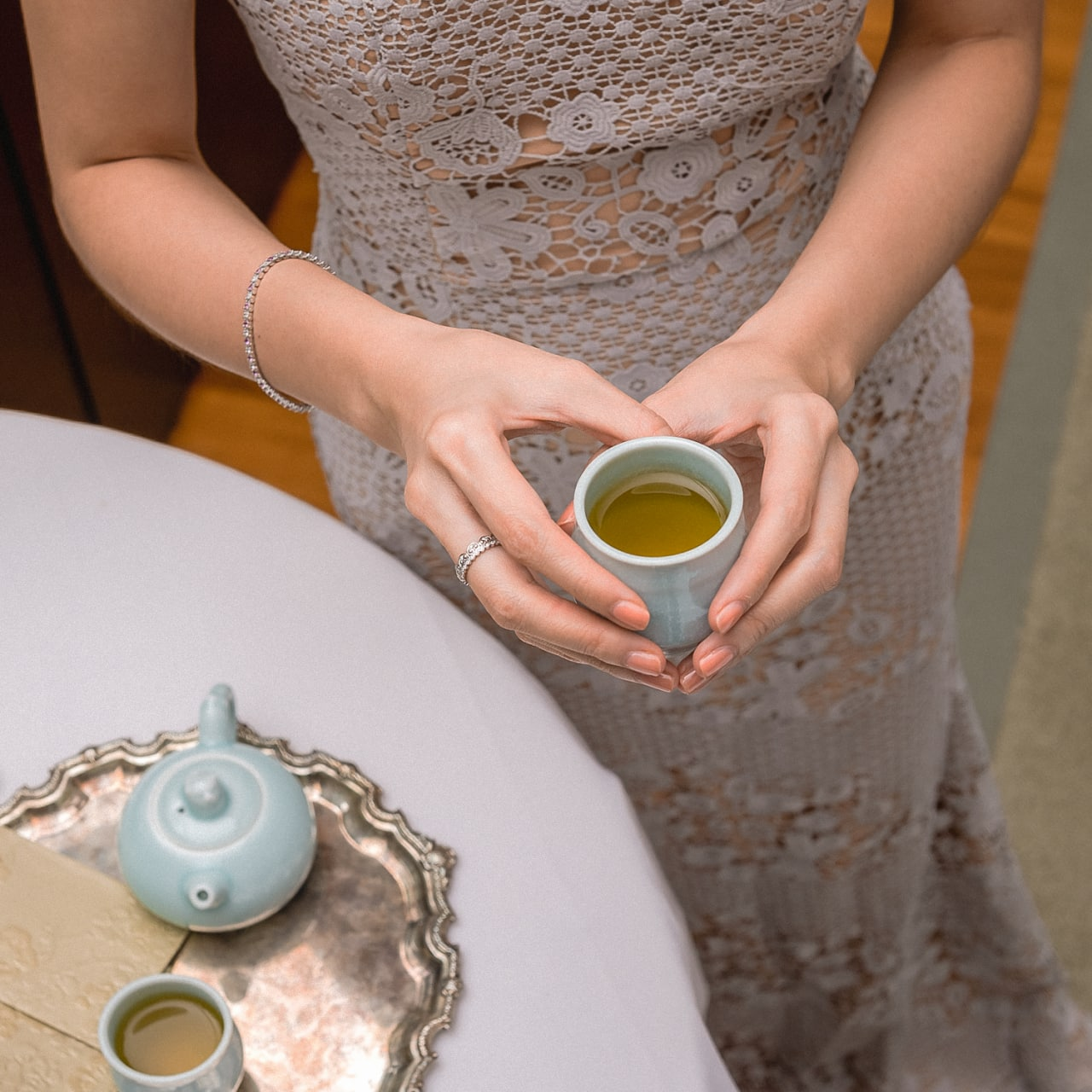
Most families use a sweet tea brewed with red dates and longans to symbolise a sweet relationship between the couple and their new relatives. Many families in Singapore also take pride in using heirloom tea sets passed down through generations, adding a layer of historical significance to each pour.
Receiving the Blessings and Gifts
After the elders have had a sip of their tea, they present the couple with their blessings. This is when gifts are exchanged. Elders typically offer red packets (hongbaos) and gold jewellery. For many brides, this is when to wear Si Dian Jin jewellery, the four-piece gold set gifted by the groom's mother as a welcome into the family – a remarkably tender part of the tea ceremony and the wedding day.
What to Wear to the Chinese Tea Ceremony

For the Bride
Traditionally, the practice is for a bride to don a Qipao (旗袍) or a formal Kua (褂). Modern brides may choose a contemporary cheongsam-inspired gown in auspicious tones The bride’s ensemble tends to take her Si Dian Jin or jewellery into consideration as these are precious gifts of the couple’s union.

For the Groom
The groom may wear a traditional Chinese Tang suit (唐装), or a well tailored suit with a crisp, white dress shirt. Depending on the couple’s tastes, the groom’s outfit can range from something more formal, like a black tie attire, or something more laid back, like a dress shirt with suspenders.
For the Families
Family members are encouraged to dress in lighter festive colours such as red, gold, pink, or purple to contribute to the joyful atmosphere of the day.


What to Give and Receive as Tea Ceremony Gifts
Red Packets (Hongbao)
Elders give red packets (hongbaos) to the couple to represent good fortune. The amounts are typically chosen for their auspiciousness, often ending in even numbers, some specifically choose thethe lucky number, “8”.
Jewellery or Si Dian Jin (Wedding Jewellery) as a Tea Ceremony Gift
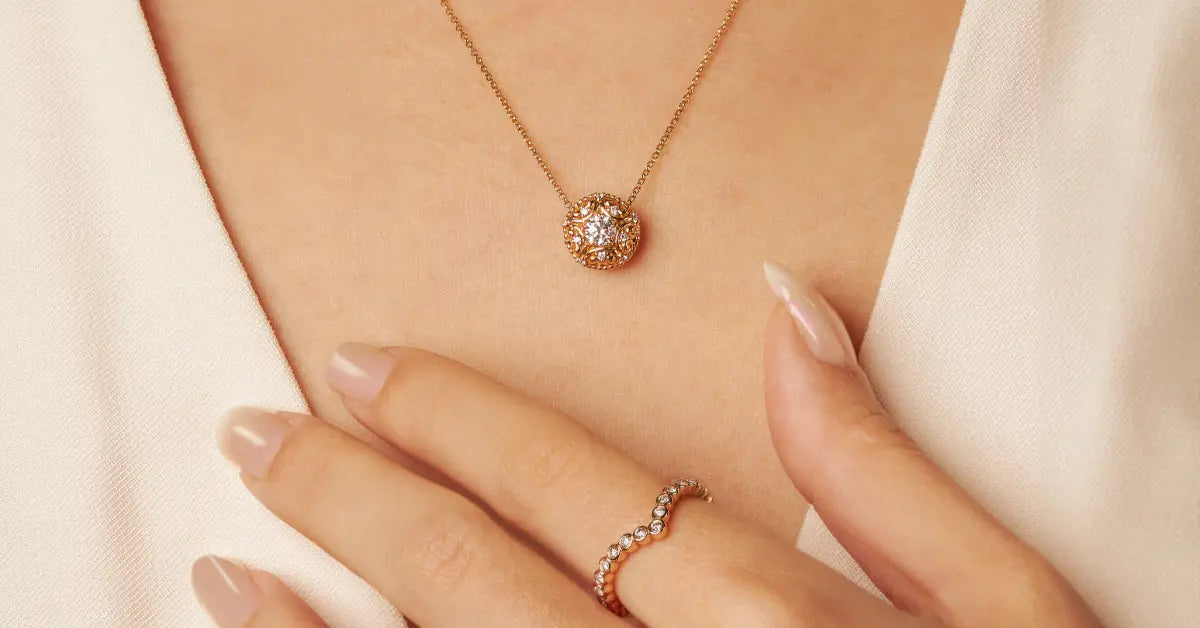
Gold jewellery is perhaps the most enduring of all tea ceremony gifts. Earrings, necklaces, bracelets and rings serve as tangible symbols of a family's love and their blessing of the union.

At B.P. de Silva, we are always happy with assisting with your considerations. Whether it is selecting a classic set from our ready-to-wear collections, customising based on the brides’ favourite colours, or commissioning a full bespoke piece that carries specific family symbolism, we ensure every jewel is timeless and with the right care, they will last even across generations.
Modern Adaptations of the Tea Ceremony
While Chinese wedding traditions in Singapore are deeply respected, more and more couples are thoughtfully personalising their ceremonies, tweaked to honour their own stories. Some choose to incorporate specialty tea blends that represent their personal journey, while others create custom tea sets as keepsakes for their parents.
Combining the ceremony with an intimate family brunch is also becoming a popular way to extend the moment of connection.
Mark the Moment with B.P. de Silva
The Chinese wedding tea ceremony is one of the most intimate exchanges of love and respect you will experience on your wedding journey. It is an incredibly precious moment where time slows down, and the focus is love, heritage, and family bonds.
For over 150 years,, B.P. de Silva has had the honour of crafting the most meaningful jewels for families in Singapore and beyond.. From meticulously designed Si Dian Jin sets to bespoke bridal jewellery that tells your unique story, our specialists are here to guide you. We invite you to visit our boutique to discover or create the perfect jewellery to mark this cherished tradition.